
REVIEW · SCOTLAND
Northumberland: Ad Gefrin Anglo-Saxon Museum & Distillery
History comes with a whisky tasting here. Ad Gefrin brings Northumbria’s 7th-century royal court back to life, then follows local barley through England’s northernmost distillery. I like the re-created Great Hall, where projected scenes help explain the people and power of Northumbria’s Golden Age. I also like the choice between a quiet self-guided museum visit and a more hands-on distillery tour with tasting.
The main consideration is pace. The museum can work well as a flexible stop, but the distillery experience has a set guided format, includes time outdoors, and is not open to children under eight. Cafe service may also take patience during a busy visit.
Key points to know before you go
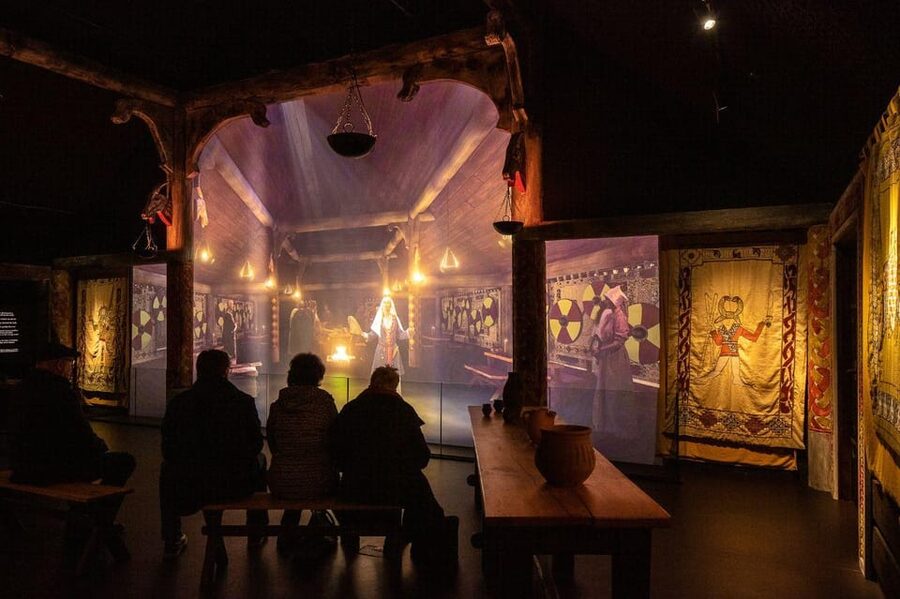
- The Great Hall uses historical projections to tell the story of Northumbria’s early kings and queens.
- Museum entry is currently free, though ticket options may bundle access to the Great Hall and self-guided tour.
- The distillery tour lasts 90 minutes and follows barley, distillation, cask storage, and tasting.
- The whisky is made from locally grown barley and is being developed as Northumbria’s first English Single Malt Whisky.
- The experience includes more than a museum, with a bistro, terrace, fire-side seating, and a shop selling spirits and local design goods.
- Bring sensible shoes and warm clothing, since part of the distillery visit requires going outside.
Why Ad Gefrin makes a worthwhile Wooler stop
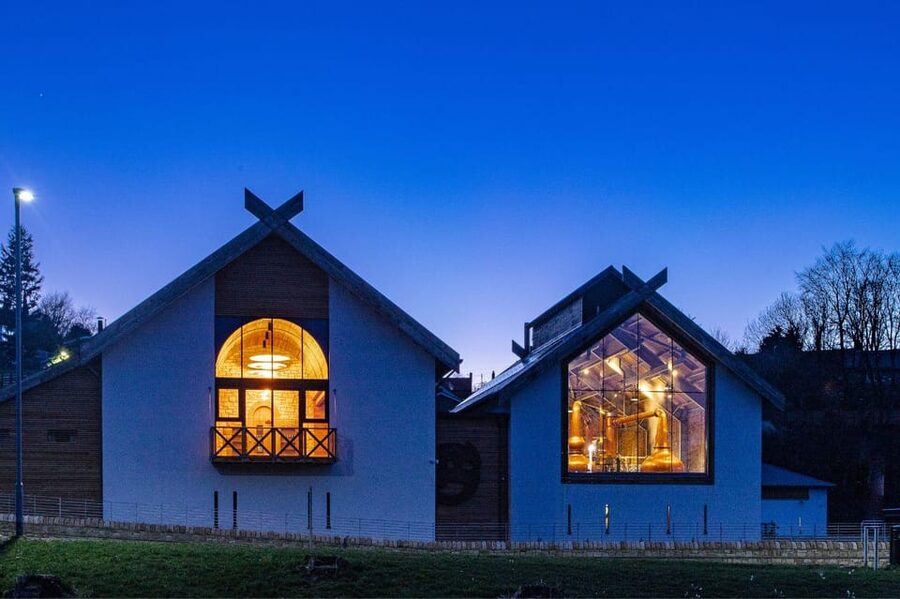
Ad Gefrin sits beside the A697 as it passes through Wooler, Northumberland. That makes it easy to add to a day in the area, especially if you want something that combines culture, food, and a drink rather than a museum visit alone.
The attraction is built around two linked stories. One is Northumbria in the 7th century, when royal courts shaped politics, art, religion, and trade. The other is Northumbria today, represented by locally grown barley, new whisky, gin, hospitality, and regional craft.
I like that the two parts do not feel entirely separate. The Great Hall gives you a sense of place and identity first. The distillery then shows how the area is presenting itself in modern form. You can spend a short time with the museum, or make a fuller day of it with lunch and a tasting.
The setting also gives you flexibility. You can sit on the outdoor terrace with a drink, warm up around the fire, browse the shop, or book a table in the bistro. You do not have to rush straight from the exhibits to the exit.
More Distillery Tours in Scotland
- Edinburgh: Holyrood Distillery Whisky & Gin Tour
★ 4.6 · 982 reviews - Glasgow: Clydeside Distillery Tour and Whisky Tasting
★ 4.7 · 820 reviews - Port of Leith Distillery Tour and Tasting
★ 5.0 · 579 reviews
Inside the Great Hall and Northumbria’s Golden Age
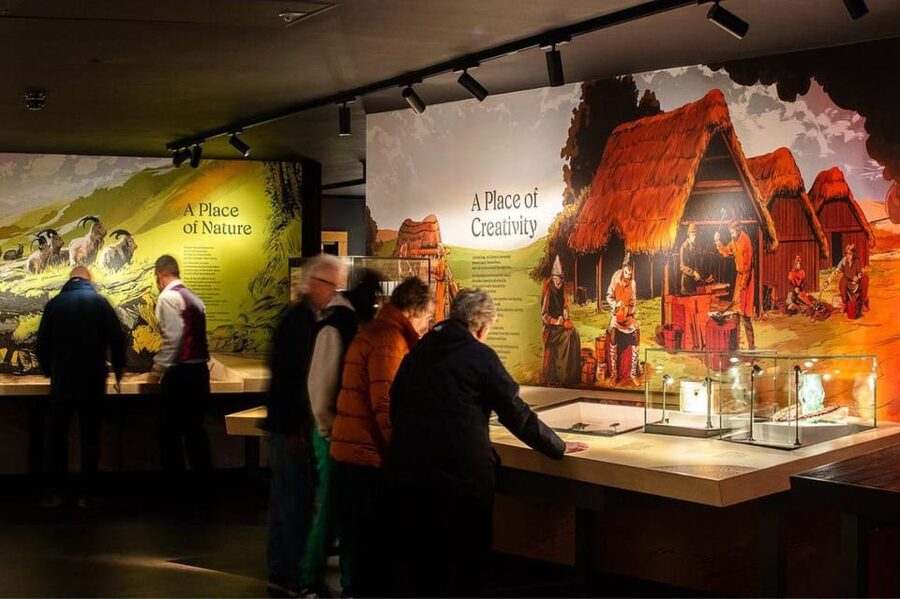
The Great Hall is the emotional center of the museum. It reimagines the royal court of Northumbria during the 7th century, a period presented through the people who lived and worked there, as well as the rulers who controlled the court.
The design uses historical projections to create movement and atmosphere. This is useful if you find labels and display cases too dry. Rather than asking you to absorb a long list of dates, the projections help establish what a royal hall might have meant as a place of ceremony, decision-making, storytelling, and hospitality.
The presentation also helps frame the museum’s artifacts. You see examples of Northumbrian creativity, workmanship, and culture from the period. The displays are described as including some of the finest surviving examples connected with the region’s Golden Age, so this is not simply a decorative recreation with a few props.
I would allow enough time to look carefully rather than treating the Great Hall as a quick introduction to the distillery. The museum visit is self-guided, which lets you set your own pace. If you are interested in early medieval art and royal culture, you may want to linger. If you have younger children with you, the visual presentation may be easier to follow than a conventional text-heavy museum.
A useful strength is the balance between spectacle and objects. The projections provide the atmosphere, while the artifacts give the visit substance. One practical limitation is that the museum experience may feel less personal than the guided distillery visit, since you move through it independently.
Choosing between the self-guided visit and distillery tour
You have two main ways to experience Ad Gefrin. The first is access to the Great Hall and museum with an untimed self-guided visit. This is the flexible choice. You can fit it around lunch, shopping, or a wider day out in Northumberland.
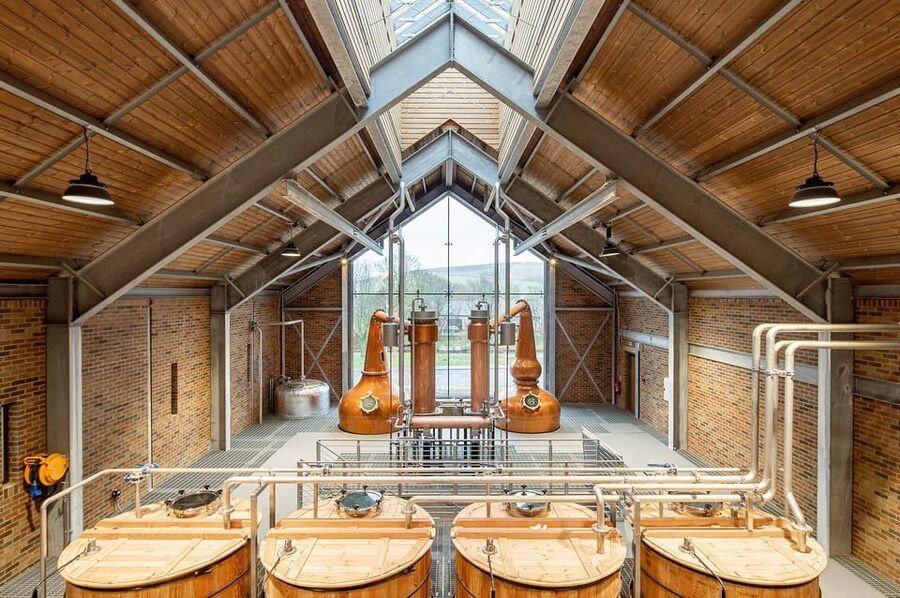
The second adds a small-group, 90-minute guided tour of the distillery, cask store, and tasting experience. This is the stronger option if you want to understand how Ad Gefrin’s spirits are made rather than simply seeing the finished bottle in the shop.
The supplied details describe the group as limited to two participants. That suggests a very personal format, although you should check the exact availability and group arrangement when booking. A small group matters here because the distillery tour includes questions, explanations, and tasting. You are less likely to feel lost in a large crowd.
The guide is an important part of the visit. The available feedback praises the guide’s ability to answer questions, which is especially useful in a new distillery where you may want to ask about barley, production, barrels, or the development of the whisky. No guide name is provided, but the experience is conducted in English.
From northern barley to whisky and gin
The distillery tour follows the production story from barley to barrel. That gives the tasting a useful context. You are not simply handed a glass and told to admire it. You first see how local ingredients and the distillery process connect to the region.
Ad Gefrin uses locally grown barley in the production of its English Single Malt Whisky. Because this whisky is a Northumbrian project, the emphasis on local grain is central to its identity. The whisky is also described as the first Northumbrian English Single Malt Whisky, making the visit partly about watching a new regional product take shape.
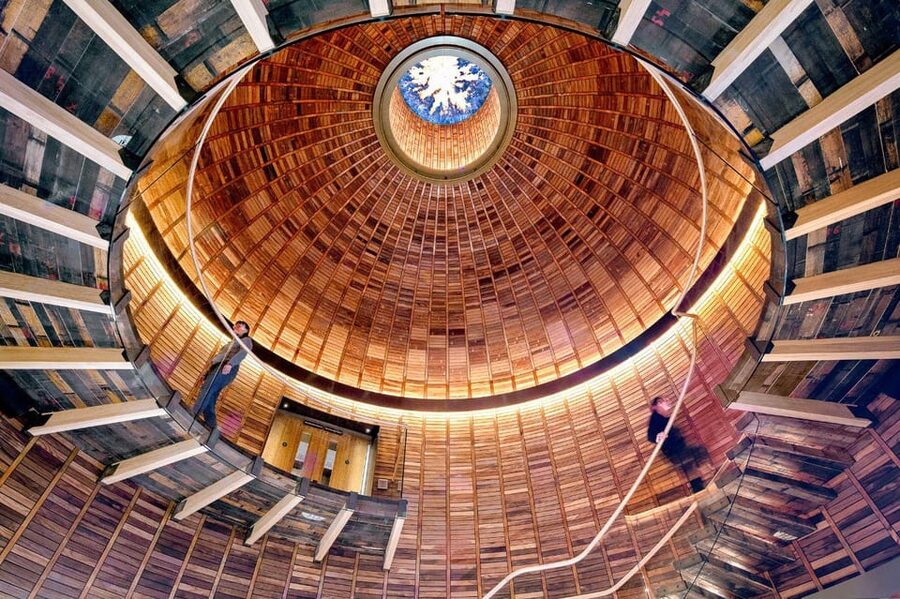
The cask store forms part of the guided route. This is where the whisky’s longer story becomes clear. The spirit may begin with barley and distillation, but its character develops through time in cask. Even if you know little about whisky, seeing the storage side of production helps explain why the finished drink cannot be rushed.
The tour also includes Ad Gefrin gin. That broadens the appeal for people who are more interested in botanical spirits than whisky. The tasting is multi-sensory, so expect the focus to go beyond simply swallowing a sample. You may be asked to pay attention to aroma, flavor, texture, and the way each spirit presents itself.
There are practical points to remember. The distillery tour is not suitable for children under eight. It also requires sensible shoes, with high heels prohibited, and warm clothing during colder months. Part of the tour takes place outside temporarily, so even a dry-looking day can call for an extra layer.
Same region, a different dram:
- Edinburgh: The Scotch Whisky Experience Tour and Tasting
★ 4.7 · 5,213 reviews - Edinburgh: Underground Vaults Evening Ghost Tour with Whisky
★ 4.7 · 2,685 reviews - Edinburgh: Whisky Tasting with History and Storytelling
★ 4.9 · 2,451 reviews - Edinburgh: The Johnnie Walker Whisky Experience
★ 4.8 · 1,670 reviews
Tasting Ad Gefrin spirits without rushing
The tasting is one of the best reasons to choose the full distillery option. A guided sample makes more sense after you have seen the production areas and cask store. You can connect the drink in your glass with the work that came before it.
The word multi-sensory matters here. You should expect attention to the smell and appearance of the spirits, not just their alcohol content. A slower tasting also makes it easier to compare the whisky and gin, which have different production methods and different ways of expressing place.
I would treat the tasting as part of the learning rather than the sole reason to visit. Ad Gefrin is still presenting a developing whisky story, so you may not be visiting a centuries-old whisky brand with a long-established range. The appeal is seeing a Northumbrian distillery establish its identity.
If you do not drink alcohol, the museum remains a worthwhile part of the visit, but the most distinctive part of the full package is clearly the spirits experience. The available information does not specify non-alcoholic tasting alternatives, so ask ahead if that is important to you.
Lunch, coffee, and time around the fire
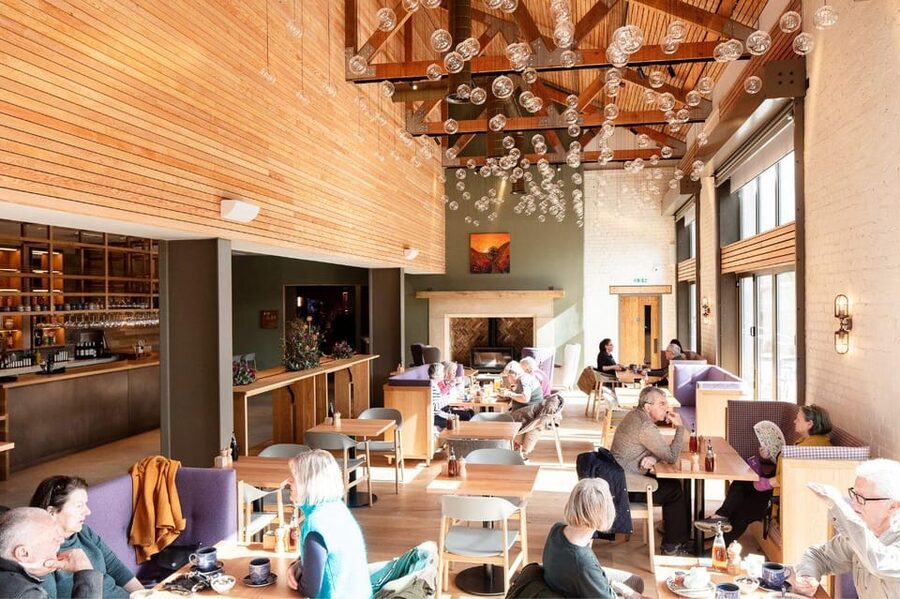
Ad Gefrin is designed for a longer stay. The bistro offers seasonal menus, with indoor and outdoor terrace seating and at-table service. Dishes use familiar food and local favorites, but present them in new ways. That gives you a chance to continue the Northumberland theme through food rather than treating lunch as an afterthought.
Reservations and walk-in visits are both available, though a reservation may be sensible if you are visiting at a busy time or need to fit lunch around the guided tour. Cafe service can be slower than ideal, so leave some breathing room in your schedule.
The terrace is a good option when the weather cooperates. You can finish with a glass of something special outdoors, or choose fire-side seating when the day is cool. The range of drinks includes coffee, tea, beer, cocktails, wine, and spirits, so the stop does not depend entirely on whisky.
Dogs and their owners are welcome in the outdoor areas, including the bistro patio. Dogs are not stated as being permitted throughout the indoor museum or other interior spaces, so plan around the outdoor option.
The shop and a more useful souvenir
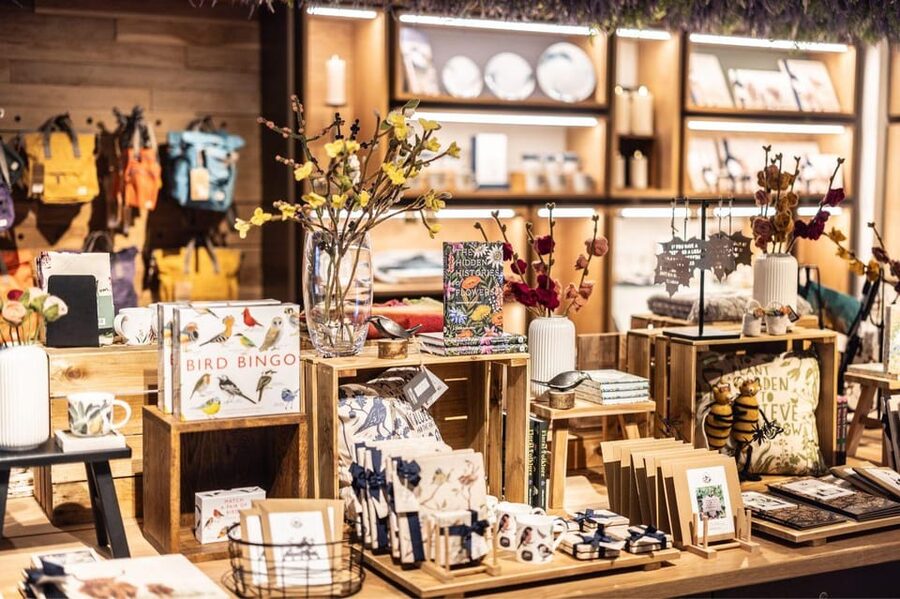
The shop offers Ad Gefrin spirits along with high-quality giftware. It also features items from Northumbrian designer makers and hand-crafted goods from further afield.
I like this better than a shop filled only with branded souvenirs. You may find something tied to local craft, food, or design, as well as a bottle of gin or whisky. The one area that could be stronger is the selection of Anglo-Saxon-inspired gifts. If you want a very specific museum souvenir connected to the Great Hall, the choice may feel limited.
A bottle is the obvious purchase, but it is not the only one. The shop gives you a way to take home a reminder of both sides of Ad Gefrin, the early medieval court and the modern distillery.
What the $33 price means for value

At about $33 per person, the value depends on which version of the visit you choose. A museum-only stop is easier to justify if you want a short cultural visit and the current free museum entry applies to your plans. The full option has stronger value because it adds a 90-minute guided distillery tour, cask store access, and a multi-sensory tasting.
The price also needs to be judged against the time you spend there. This is not just a quick exhibit followed by a single sample. You can build a half-day or full-day outing around the museum, tour, lunch, terrace, and shop.
Check exactly what your selected ticket includes, since the details describe both current free museum entry and ticketed options covering the Great Hall and self-guided visit. That distinction matters when comparing prices.
The experience is more valuable for curious adults, whisky fans, food-focused visitors, and anyone interested in Northumberland’s identity. It is less compelling if you only want a short, low-cost museum visit and have no interest in the distillery or tasting.
Access, clothing, and planning your visit
The attraction is fully accessible, and spoken tours can be arranged in advance. Contact Ad Gefrin before you go if you need a spoken tour or have specific access questions.
Wear comfortable shoes for the museum and sensible shoes for the distillery. High heels are not allowed on the distillery tour. Warm clothing is a practical must in winter because the route includes a short outdoor section.
Children under eight cannot join the distillery tour, but they are welcome in the Great Hall and museum. This makes the museum suitable for a family visit, while the full distillery experience is better planned as an adults’ activity or for families with older children.
You can cancel up to 24 hours ahead for a full refund, and reserve now while paying later. Those terms are useful if your Northumberland plans depend on weather or changing road arrangements.
Should you book Ad Gefrin?
Book it if you want a well-presented Northumbrian attraction that combines early medieval culture with a modern local distillery. I would choose the full 90-minute tour if you enjoy whisky, gin, food, or seeing how regional products are made.
Choose the self-guided museum visit if you want flexibility, are visiting with children under eight, or mainly care about the Great Hall and artifacts. Keep time for the bistro and shop, and do not schedule lunch too tightly because service may be leisurely.
Ad Gefrin works best when you treat it as more than a museum ticket. Give yourself time for the court, the spirits, a meal or drink, and a look around the shop. That is when the visit feels like a complete Northumbrian stop rather than a quick detour beside the A697.
FAQ
Where is Ad Gefrin located?
Ad Gefrin Anglo-Saxon Museum and Distillery is beside the A697 as it passes through Wooler, Northumberland, United Kingdom.
How much does the experience cost?
The listed price is $33 per person. The exact value depends on whether you choose the museum visit alone or the option that adds the guided distillery tour and tasting.
Is museum entry free?
The museum is currently described as having free entry. Some ticket options also include ticketed access to the Great Hall and a self-guided museum visit, so check what your selected option covers.
How long does the distillery tour last?
The guided distillery tour lasts 90 minutes and includes the distillery, cask store, and a multi-sensory tasting.
Can children join the experience?
Children under eight are not permitted on the distillery tour. They are welcome in the Great Hall and museum.
Is Ad Gefrin wheelchair accessible?
Yes. The experience is described as fully accessible. Spoken tours can also be arranged in advance.
What should I wear?
Wear comfortable shoes and warm clothing. High-heeled shoes are not allowed on the distillery tour, and part of the route goes outdoors temporarily.
Are dogs allowed?
Dogs and their owners are welcome in the outdoor areas, including the bistro patio. The provided information does not confirm access for dogs inside the museum or other indoor areas.
More Museums in Scotland
- VIP Skip-the Line Titanic Museum and Whiskey Tasting Tour
★ 4.8 · 11 reviews - Dublin Irish Whiskey Museum and Gallery Guided Tour with Tasting
★ 5.0 · 3,078 reviews - Dublin: Irish Whiskey Museum Tour and Whiskey Tasting
★ 4.6 · 999 reviews - Irish Whiskey Museum: Whiskey Blending Experience
★ 5.0 · 577 reviews
Just added around Scotland
- VIP Skip-the Line Titanic Museum and Whiskey Tasting Tour★ 4.8 · 11 reviews
- Craigs Deluxe Whisky Tour Shore Trip from Port of Invergordon★ 5.0 · 2 reviews
- Singleton of Glen Ord Distillery Classic Tour★ 5.0 · 4 reviews
- Highland Whisky Distilleries Shore Trip from Invergordon Cruise Port★ 5.0 · 2 reviews
- Stirling Castle Whisky and The Kelpies Tour★ 5.0 · 9 reviews
- Barrel-top whisky tasting in St Andrews★ 5.0 · 20 reviews
- Golf, Whisky and Fish & Chips (A “VERY” Scottish Experience)★ 4.5 · 12 reviews
- Cardhu Distillery Flavour Journey – Full sensory tour & tasting★ 5.0 · 3 reviews
Distillery Tours, side by side.

Dublin Jameson Distillery Bow St. Tour and Tasting 45 mins
Our verdict →
Dublin Jameson Distillery and Guinness Storehouse Guided Tour
Our verdict →
Nashville to Jack Daniel’s Distillery Bus Tour + Whiskey Tastings
Our verdict →
Dublin Teeling Whiskey Distillery Guided Tour and Tasting 1 Hour
Our verdict →

Other lists this dram sits on