
REVIEW · CANADA
Quebec City: Honey and Distillery Tour with Tasting
Bees are working above the bar. At Apikol, in Quebec City’s Saint-Roch district, you can watch a live all-season hive before seeing how local honey becomes mead, gin, vodka, eau-de-vie, and other spirits. I like the rare mix of hands-on bee education and a relaxed tasting led by the owners. I also like that the $21 price supports a small urban business focused on reducing waste.
The main consideration is space. The first part takes place indoors and can feel close in the small room, especially when the group is full. Still, with groups limited to eight people and a one-hour schedule, this is a friendly, focused stop rather than a large factory tour.
Key points before you book
- See a live all-season hive: Watch bees at work indoors, even in the middle of a Quebec winter.
- Follow honey from hive to bottle: The tour explains extraction, fermentation, distillation, ageing, formulation, and bottling.
- Taste three local drinks: The included tasting features meads and spirits made with local honey, including an effervescent mead.
- Meet the people behind Apikol: Tours are led by co-owners and working beekeepers, including Fred and Nadine.
- Expect a small-group visit: With a maximum of eight participants, questions and conversation are easy.
- Plan about one hour: Set aside 45 minutes for the guided visit and about 15 minutes for tasting, though the tasting portion may run closer to 30 minutes depending on the schedule.
Why this small Saint-Roch distillery is worth your time
Apikol is not simply a tasting room with a few bee-themed decorations. It brings a honey house, mead house, distillery, and tasting area together under one roof. That gives the visit a clear story: bees produce the honey, the distillery transforms it, and you get to sample the finished drinks.
I like this setup because you see the full chain of production in one place. You are not hearing a general lecture about beekeeping in one building and then being sent elsewhere for a drink. The hive, the honey, the fermentation, and the bottles all belong to the same small operation.
The urban setting adds another useful layer. Apikol works with city hives and presents its business as an eco-friendly project designed to keep its ecological footprint small. The visit does not treat sustainability as a decorative extra. It is part of the explanation of how the business operates and why local honey matters.
This makes Apikol a good choice for a rainy afternoon, a cold-weather stop, or a break from Quebec City’s usual churches, museums, and historic streets. Since the full visit is indoors, the weather does not affect the main activity.
More Distillery Tours in Canada:
- Toronto Distillery District Walking Tour
★ 5.0 · 327 reviews - Toronto: Distillery District Historic Walking Tour
★ 4.8 · 267 reviews - 30-Minute Distillery District Segway Tour
★ 5.0 · 214 reviews
Starting with the live hive
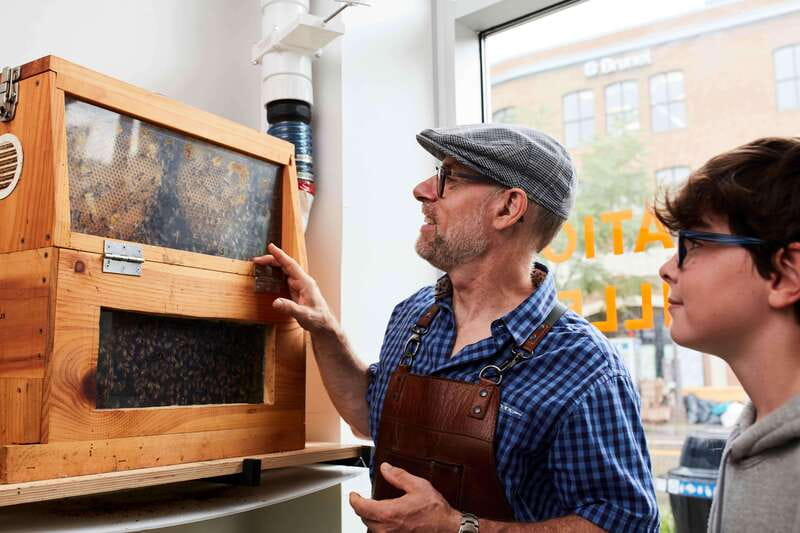
The tour begins at Apikol, where you check in at the front desk and say you have booked the distillery tour. A guide then introduces you to the bee side of the business.
The most unusual feature is the indoor observation hive. It is a small, live, all-season hive that lets you watch bees working without going outside to a traditional apiary. You can see the insects in action and learn about their life cycle, the work of beekeepers, and the equipment used to care for them.
That matters because the hive gives the rest of the tour a physical point of reference. When the guide later explains honey extraction or fermentation, you have already seen where the raw material begins.
The bee portion has received especially strong praise for its clarity and energy. Fred has been noted for explaining bee activity, beekeeping, honey collection, and the movement from bee to bottle in a lively way. Other tours are led by Nadine or another in-house guide, and the tone is generally personal rather than scripted.
You should expect plenty of explanation here, not a quick glance at a display case. The guide may discuss how bees produce honey and how beekeepers collect it, along with the equipment used in the process. If you have only a passing interest in insects, the detail may feel longer than expected. If you enjoy food production or small farms, it is one of the strongest parts of the visit.
One practical point: the opening section takes place in a small room. A full group can make it feel tight, and one attendee suggested that this portion could be shorter or spread out. That is the clearest drawback to keep in mind. The limited group size helps, but this is still an intimate indoor setting.
From honey extraction to fermentation
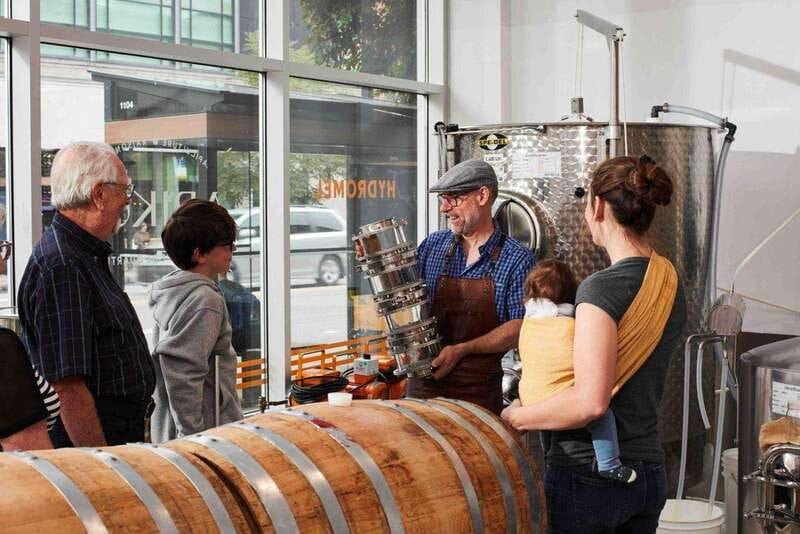
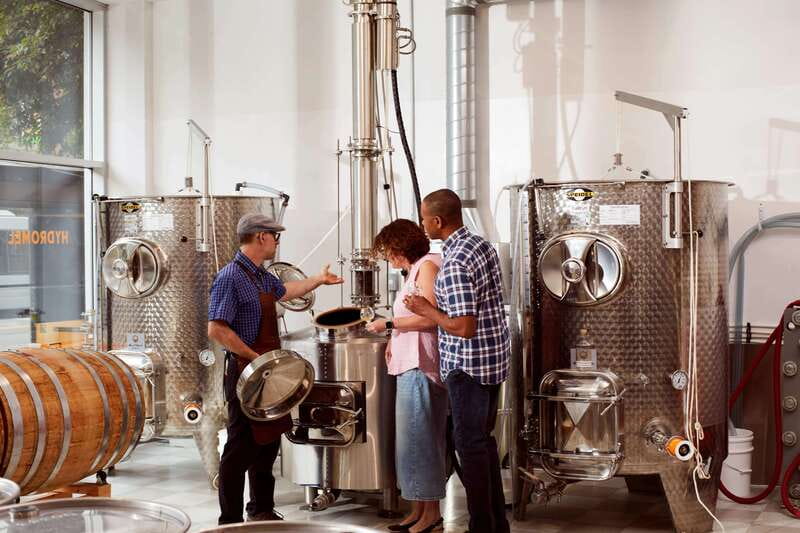
After the hive, the guide follows the honey through the production process. You learn about extraction and how the distillery prepares honey for transformation.
Mead begins with honey that is fermented rather than distilled. The guide explains how fermentation changes the character of the honey and how the distillery produces its meads, including an effervescent style that appears in the tasting.
This is a useful stop for anyone who thinks mead is simply sweet honey wine. Apikol’s products show that honey can form the base for several different types of drink. The finished range includes mead as well as spirits that resemble gin, vodka, and eau-de-vie in style.
The value here is in connecting basic ingredients with technique. You do not only hear that Apikol makes local spirits. You learn how the process moves through fermentation, distillation, ageing, formulation, and bottling.
The owner-led format helps. Fred and Nadine are not distant corporate presenters. They work as beekeepers and distillers, so they can explain both the agricultural and production sides of the business. You can ask questions, and the small group makes it easier to pause when something catches your interest.
Seeing how spirits are made
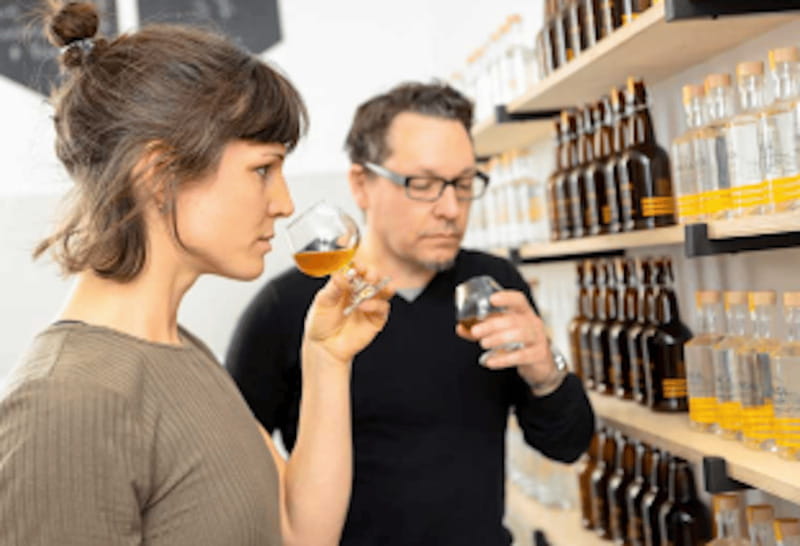
The next stage looks at distillation and the different styles Apikol produces from honey. The exact emphasis may vary with the guide and group, but the central idea is clear: honey is not limited to one finished drink.
You learn how the distillery moves from fermented liquid to spirits, then how those spirits are developed and bottled. The process gives you a better sense of why gin, vodka, and eau-de-vie can taste so different even when they begin with a locally sourced honey base.
The product explanations are one of the reasons the tour feels more substantial than a basic tasting. You are given a framework for noticing differences in aroma, texture, sweetness, and strength. You do not need prior knowledge of spirits to follow along.
The eco-friendly message continues here. Apikol emphasizes local sourcing, urban agriculture, and efforts to reduce waste. That does not mean every part of production has no environmental cost. It does mean the business is trying to keep the operation small and make thoughtful use of local resources.
I appreciate that the tour connects environmental choices with the drinks in front of you. You get a clearer sense of how an urban distillery can work with city hives and local production rather than relying on a distant industrial model.
Same region, a different dram:
- Spirits of the Distillery District Ghost Tour
★ 4.5 · 56 reviews - Toronto: Short Distillery District Segway Tour
★ 4.8 · 55 reviews - Whistler Distillery Tour & Tasting Experience
★ 5.0 · 45 reviews - Guided Bicycle Tour – Toronto Waterfront, Island and Distillery
★ 5.0 · 31 reviews
The final tasting of three local products
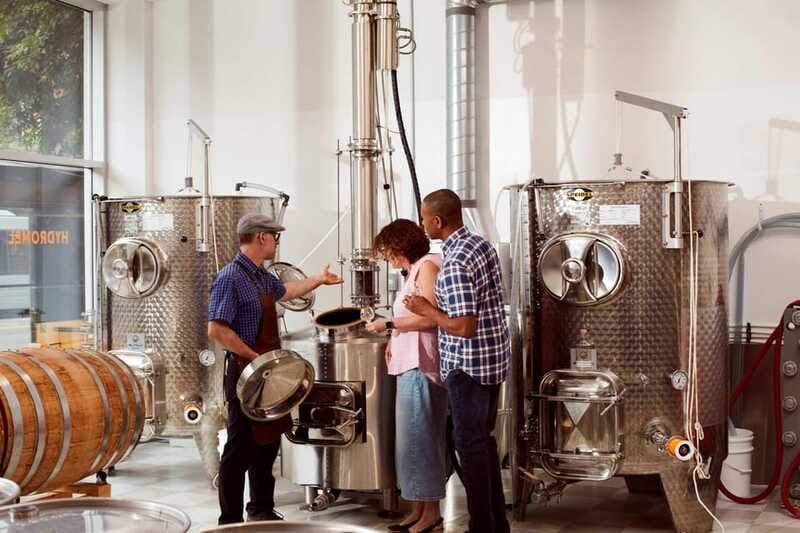
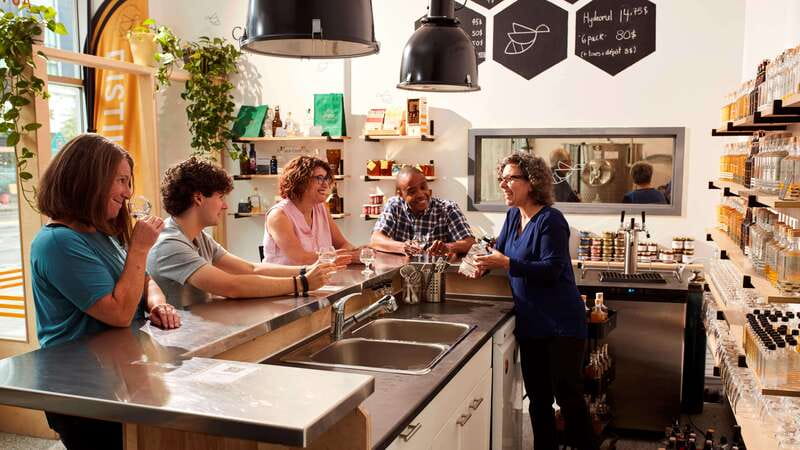
The tour ends with a tasting of three beverages, including meads and spirits. An effervescent mead is part of the tasting, and extra products may be available for a small additional charge.
This is not a rushed sample at the counter. An in-house expert guides you through the drinks and explains what you are tasting. The tasting has been praised for its variety, presentation, and relaxed style. Constance, who has led the tasting for some visitors, has been singled out for her warm manner and product knowledge.
You may find the mead especially approachable if you like drinks with honeyed notes and a gentle sweetness. The spirits offer a different direction, and gin has been a particular favorite for some people. The range also includes products made in styles similar to vodka and eau-de-vie.
Because the tasting follows the production story, each sample has context. You know the honey did not appear from nowhere, and you have just seen how the business works with it. That makes even a small pour feel more meaningful.
The tasting is also a social part of the visit. You sit or stand with a small group, compare impressions, and ask questions. This can be a nice way to meet other people during a Quebec City trip, though anyone avoiding alcohol should make that clear. Visitors under 18 receive a non-alcoholic beverage.
If you enjoy spirits, you may want to add extra products beyond the three included samples. The supplied details note that additional tastings can be added for a small supplement, but the exact selection and cost should be confirmed when booking or at the distillery.
Price, timing, and what the $21 includes
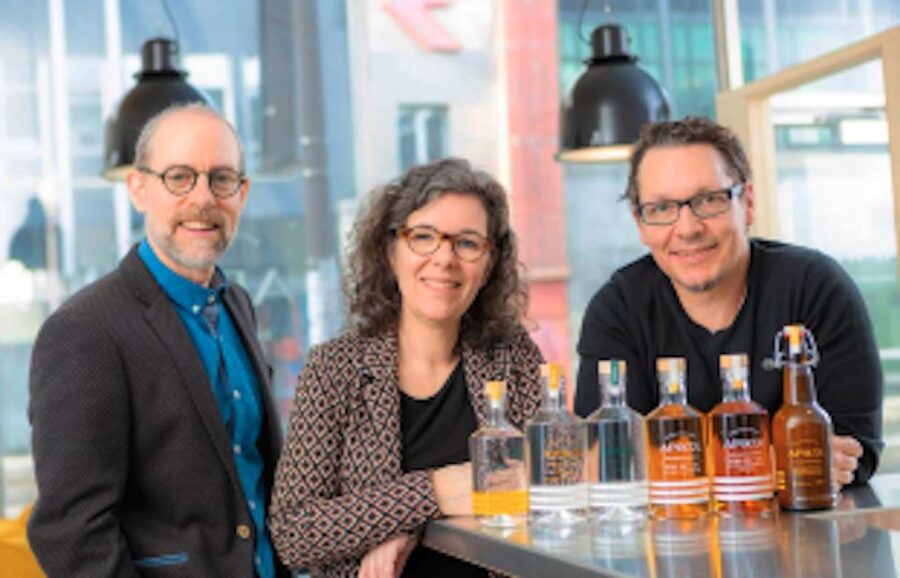
At $21 per person, this is good value for a one-hour activity. You are paying for a guided tour by the people who run the business, access to the distillery, a live hive demonstration, and three drinks at the end.
The value is strongest if you would otherwise spend money on a drink tasting alone. Here, the tasting is paired with a proper explanation of beekeeping and production. You also get a distinctly local activity in central Quebec City rather than a generic bar flight.
The visit is short enough to fit into a busy day. You can schedule it between sightseeing in Saint-Roch and other parts of the city without giving up half a day. At the same time, do not treat it as a ten-minute sample. The bee and production sections contain enough detail to fill the advertised 45-minute guided portion.
The activity is offered in English and French. Tours are limited to eight people, which is important because the subject depends on questions and conversation. A large group would make the hive and equipment harder to see, while this format keeps the visit more personal.
You can cancel up to 24 hours before the activity for a full refund, and a reserve-now, pay-later option is available. Starting times depend on availability, so check the schedule before building the rest of your day around it.
Who will enjoy Apikol most
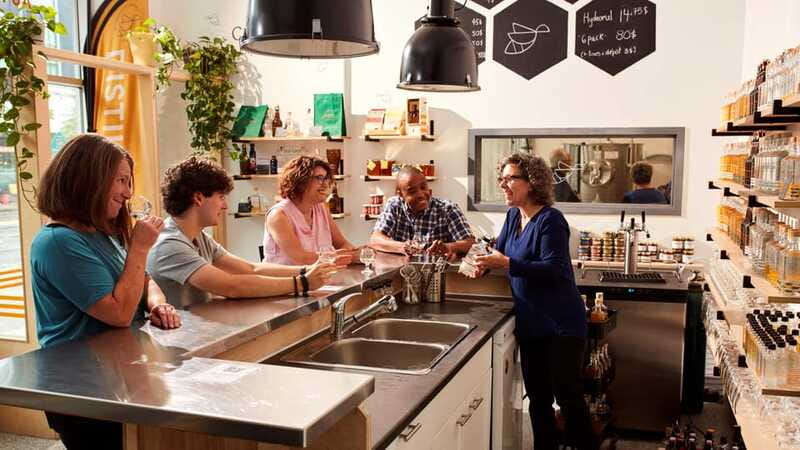
I would recommend this visit to several kinds of people:
- Food and drink enthusiasts: You get a clear look at how an ingredient becomes a finished product.
- People interested in bees: The live hive gives you something real to watch, not just photographs or diagrams.
- Sustainable tourism fans: Apikol explains its efforts to reduce waste and support urban agriculture.
- Couples and small groups: The tasting and informal conversation suit a relaxed outing.
- Families with older children: Young visitors under 18 can receive a non-alcoholic beverage, though the subject remains focused on alcohol production.
- Cold or rainy day sightseers: The entire tour is indoors.
It may be less suitable if you want a large, polished industrial tour with extensive machinery and open production floors. Apikol is a small operation, and the charm comes from its personal scale. If you dislike compact rooms or long explanations about bees, the first half may test your patience.
Small details that improve the visit
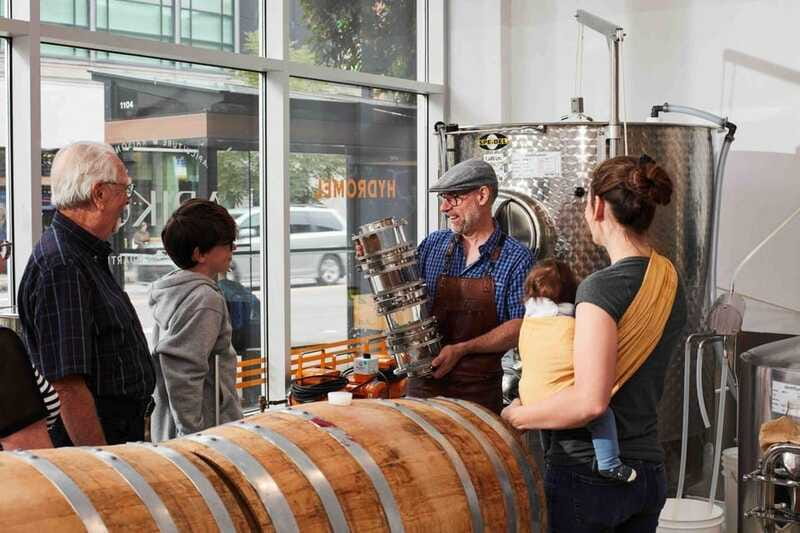
Arrive ready to listen during the bee section. The guide’s explanation covers the life cycle of bees, beekeeping tools, honey extraction, and the role of the city hives. It is more rewarding if you treat that part as the foundation for the tasting rather than something to hurry through.
Ask questions. The co-owners and guides are described as friendly, funny, and open to conversation. The small group means you are not lost in a crowd, so use that chance to ask about the drinks, the hives, or the eco-friendly choices behind the business.
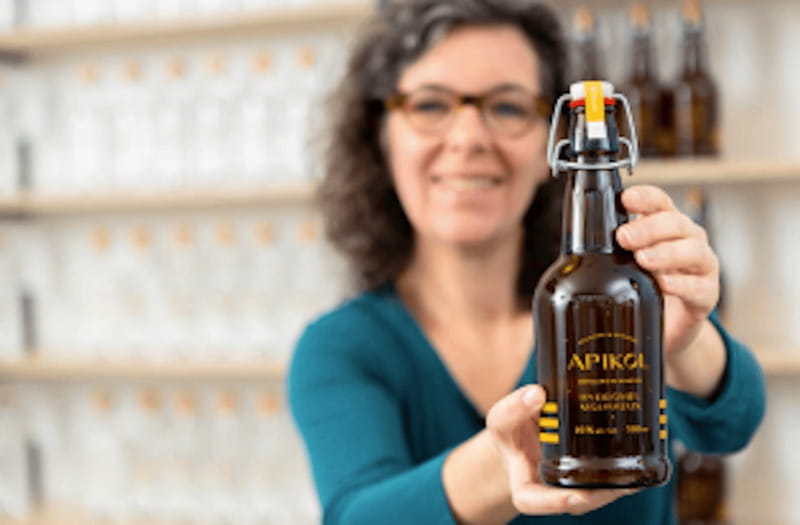
Keep room in your bag for a bottle or jar if you plan to buy something. Fresh honey from one of the city hives may be available after the tasting, along with the distillery’s bottled products. The exact stock can vary, so do not count on a particular bottle.
Plan the visit as a relaxed stop, not a formal museum appointment. The best parts are the direct conversation, the explanations, and the transition from the hive to the glass. The tone is friendly and occasionally humorous, which helps keep the technical material easy to follow.
Should you book this Quebec City honey tour?
Yes, if you want a small, local activity that combines bees, urban agriculture, and spirits. The live hive, owner-led explanations, and three-product tasting give the $21 price real value, especially for a one-hour indoor stop.
I would book it for a rainy afternoon, a winter day, or any time you want something beyond Quebec City’s historic sights. Choose another activity if you prefer wide-open production spaces, a very quick tasting, or a tour focused only on drinking. For most curious visitors, Apikol offers an unusual and friendly look at how honey moves from city hive to bottle.
FAQ
Where does the Apikol honey and distillery tour take place?
The tour takes place at Apikol, an urban distillery and meadery in Quebec City’s Saint-Roch district.
How long does the tour last?
The full activity lasts about one hour. The guided portion takes about 45 minutes, followed by a tasting. The tasting is described as about 15 minutes in the tour details, while the itinerary allows up to 30 minutes.
What is included in the price?
The $21 price includes an owner-led distillery tour, access to the distillery, an indoor live-hive observation, and a tasting of three beverages made from honey.
What drinks are included in the tasting?
The tasting includes meads and spirits, including an effervescent mead. Apikol also produces spirits in styles similar to gin, vodka, and eau-de-vie.
Can I taste additional products?
Yes. Additional products may be added to the tasting for a small supplement.
Is the tour available in English?
Yes. The tour is offered in English and French.
How many people are in each group?
The group is limited to eight participants.
Is the tour indoors?
Yes. The entire activity takes place indoors, including the observation of the live all-season hive.
Can visitors under 18 participate?
Yes. Visitors under 18 receive a non-alcoholic beverage instead of alcoholic tasting samples.
Where do I check in?
Check in at the distillery front desk and tell the staff that you have booked a distillery tour.
Can I cancel the booking?
Yes. You can cancel up to 24 hours in advance for a full refund. A reserve-now, pay-later option is also available.
Just added around Canada
- Victoria BC: Tour & Tasting Around Award Winning Distillery★ 3.8 · 5 reviews
- Victoria Craft Beer and Distillery Tour★ 5.0 · 5 reviews
- Distillery District Breakfast Tour★ 5.0 · 21 reviews
- Toronto Distillery District: Whisky Exploration Game and Tour★ 3.5 · 4 reviews
- Full-Day Wine, Whiskey & Beer Tour w/ Lunch Pairing★ 5.0 · 2 reviews
- Brewery & Distillery Tour (Craft Beer, Spirits, and Cocktails)★ 5.0 · 21 reviews
- Toronto: Nickel 9 Distillery Tour and Tasting★ 5.0 · 2 reviews
- Toronto: Distillery District Breakfast Walking Tour★ 5.0 · 10 reviews
Distillery Tours, side by side.

Dublin Jameson Distillery Bow St. Tour and Tasting 45 mins
Our verdict →
Dublin Jameson Distillery and Guinness Storehouse Guided Tour
Our verdict →
Nashville to Jack Daniel’s Distillery Bus Tour + Whiskey Tastings
Our verdict →
Dublin Teeling Whiskey Distillery Guided Tour and Tasting 1 Hour
Our verdict →

Other lists this dram sits on